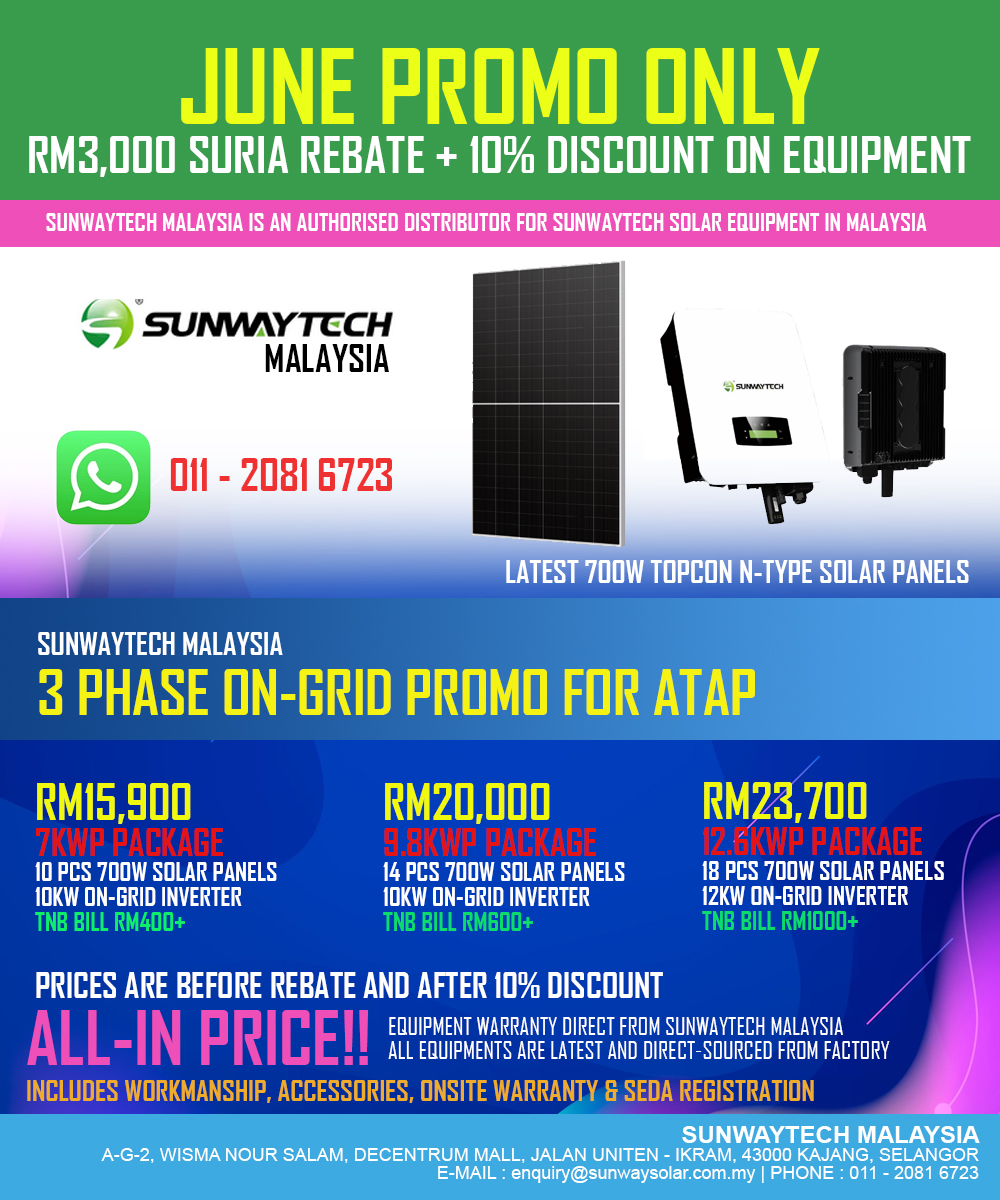
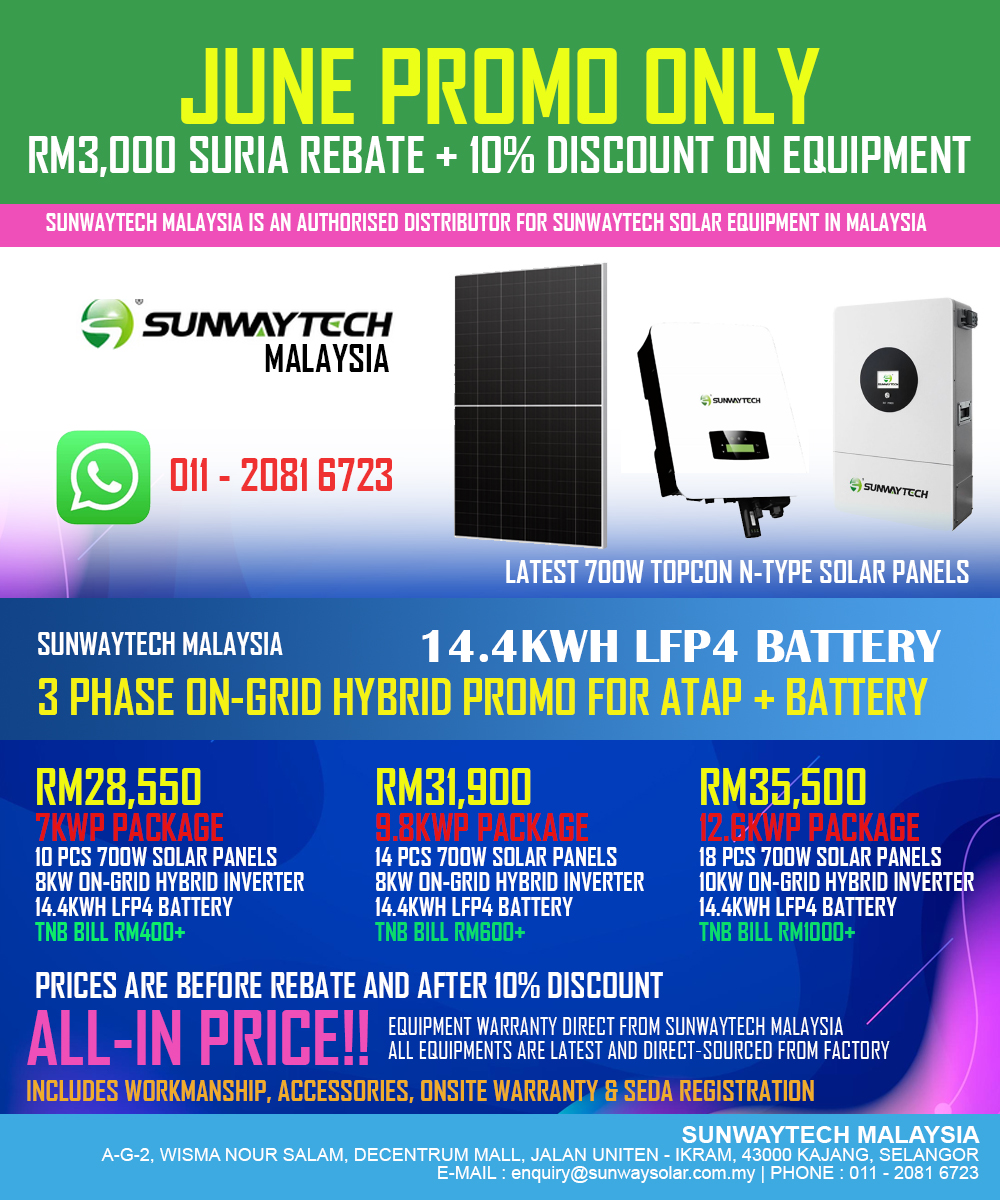
Promotions


Our Solar Products Range

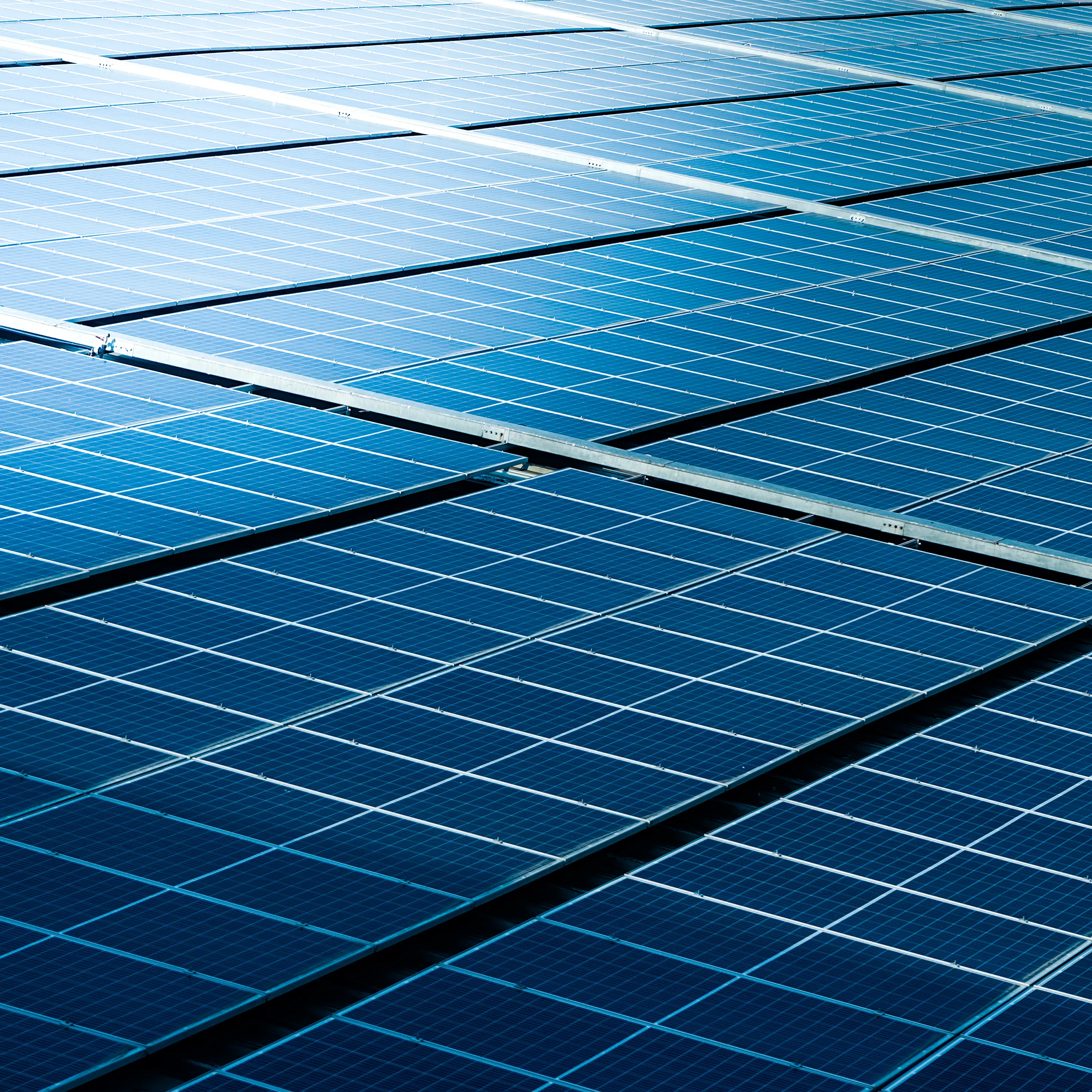
SOLAR PANELS

High-efficiency photovoltaic modules designed to maximize solar capturing even on overcast days.
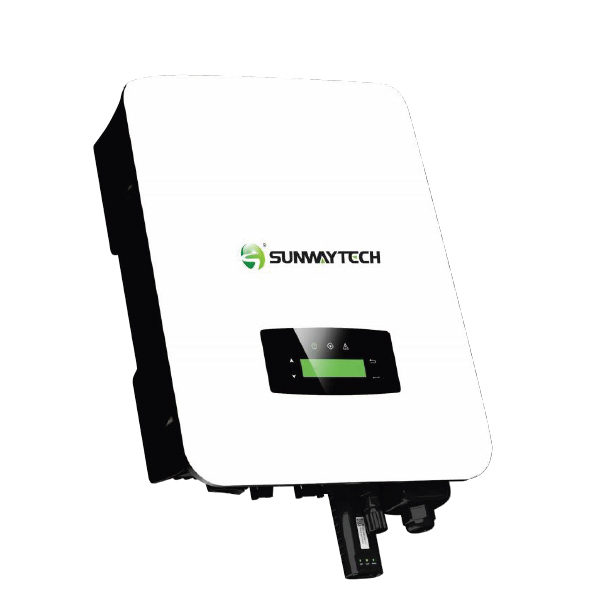
INVERTERS

Advanced power conversion units translating raw sun power into stable, usable household electricity safely.
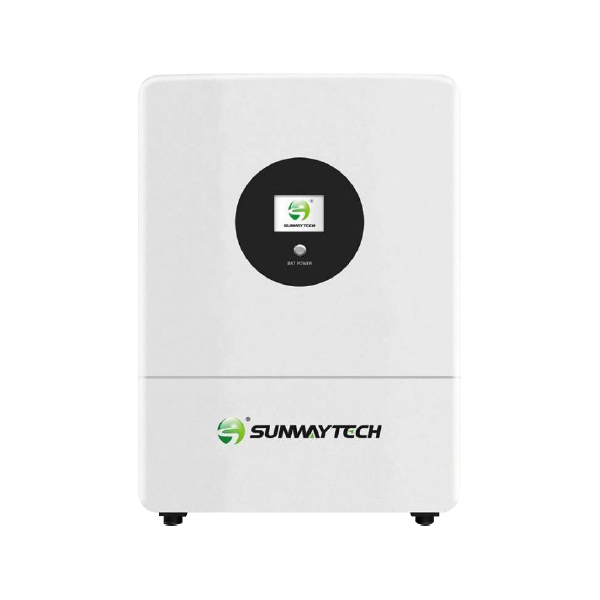
ENERGY STORAGE SYSTEM

Reliable battery backups ensuring your property remains fully powered through night cycles or grid outages.
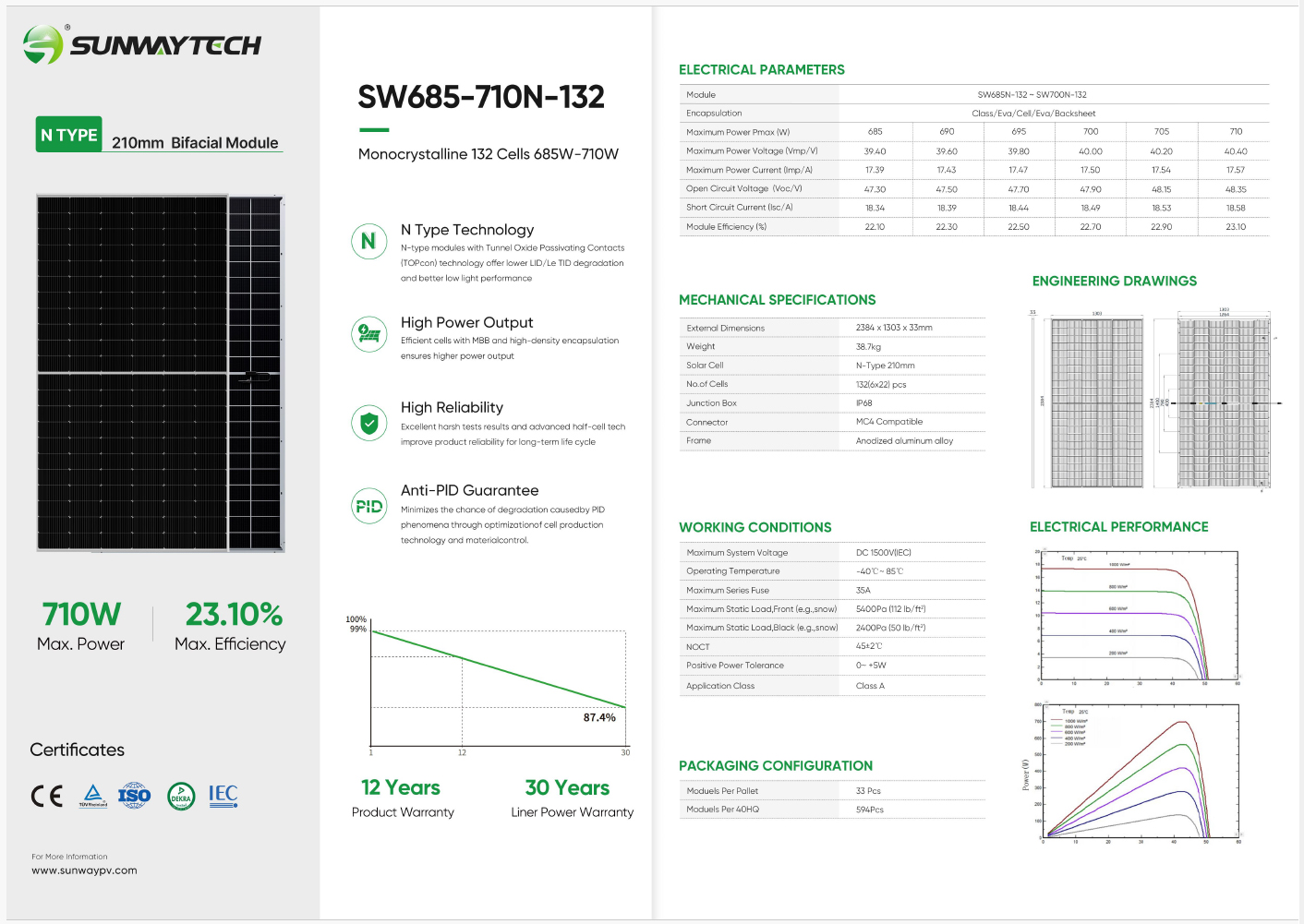
Solar Panels
Solar panels (Photovoltaic or PV panels) convert sunlight directly into electricity using semiconductor materials. They serve as the primary generation source paired with Battery Energy Storage Systems (BESS) to create reliable, 24/7 renewable energy ecosystems.


Core Technology Types


Monocrystalline
Made from single-crystal silicon. Offers the highest efficiency (20%–24%) and sleekest aesthetics, but comes at a premium cost.
Polycrystalline
Made from melted fragments of silicon. Recognisable by their blue marbled look, they are cheaper but less efficient (15%–18%).
Thin-Film
Flexible, lightweight layers of photovoltaic materials (like CdTe or CIGS). Best for commercial building-integrated photovoltaics (BIPV) or weight-restricted roofs.
Key Technical Upgrades (The N-Type Shift)
The solar industry has largely transitioned away from older P-type (PERC) cells to advanced N-type architectures:


TOPCon (Tunnel Oxide Passivated Contact)
The current commercial standard. It minimizes electron loss, pushing panel efficiencies past 22.5% at a low manufacturing cost.
HJT (Heterojunction Technology)
Combines crystalline silicon with thin-film layers. It offers superior performance in hot climates due to an excellent temperature coefficient.
Perovskite Tandem Cells
The next-generation frontier. Layering perovskite over traditional silicon allows panels to capture different wavelengths of light, aiming for efficiencies over 30% in upcoming commercial lines.
Solar Inverters
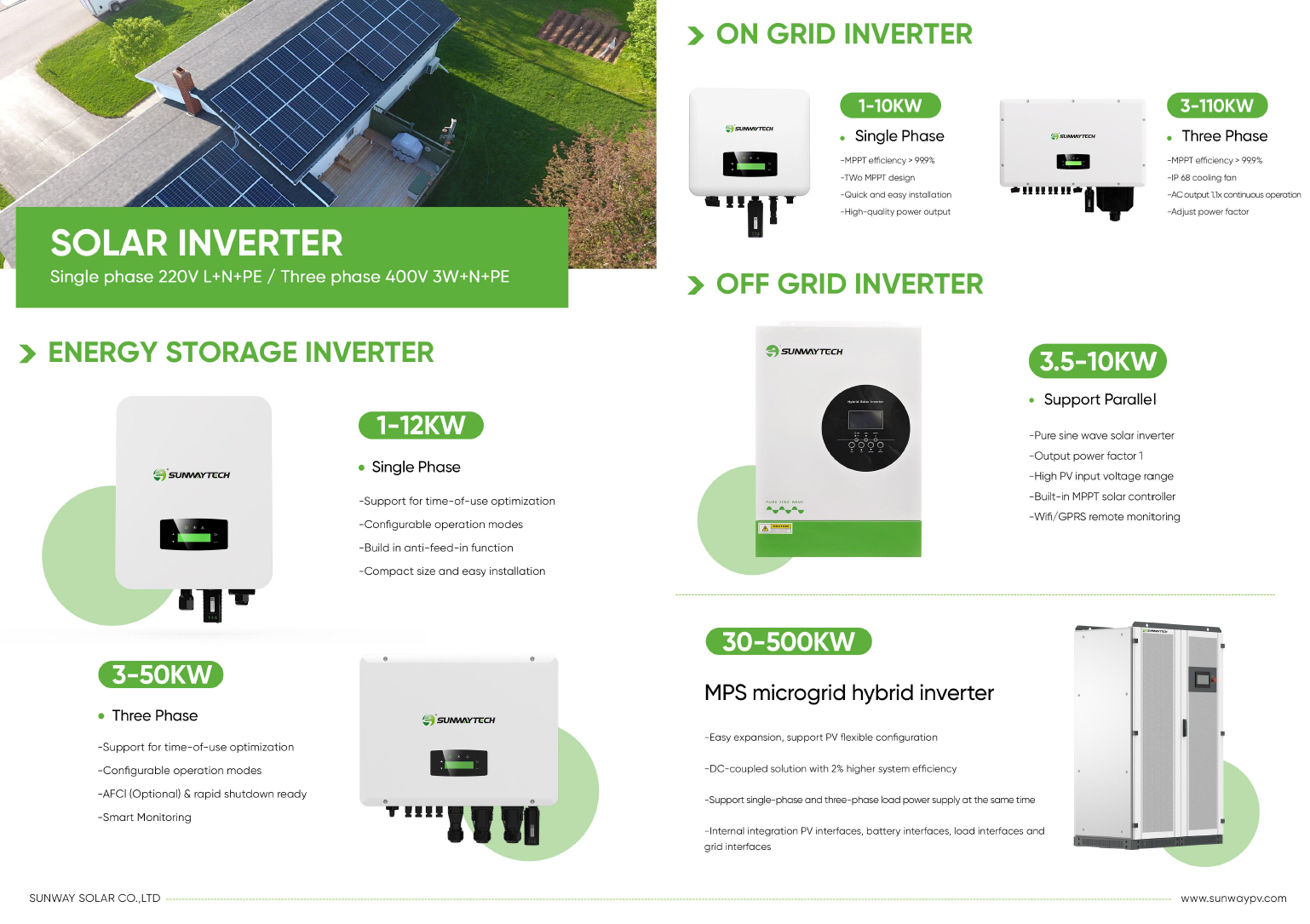
Solar inverters serve as the gateway of any photovoltaic system, converting the fluctuating Direct Current (DC) generated by solar panels into stabilized Alternating Current (AC) for local consumption or grid export. In modern energy networks, they act as intelligent digital managers, balancing real-time power loads and orchestrating communication with Battery Energy Storage Systems (BESS).


Inverter Types


String Inverters
Centralized units where multiple solar panels are wired together in series. While highly cost-effective and easy to maintain, if one panel in the string suffers from shading or dirt, the performance of the entire string drops.
Microinverters
Miniature inverters installed directly underneath every individual solar panel. They isolate performance issues to single panels and eliminate high-voltage DC rooftop wiring, but carry a higher upfront hardware cost.

Critical Technical Features


Maximum Power Point Tracking (MPPT)
Advanced internal algorithms that continuously adjust electrical voltage and current levels to extract the maximum possible wattage from the solar array under changing weather conditions.
Rapid Shutdown Compliance
A safety protocol that instantly de-energizes high-voltage DC rooftop circuits down to touch-safe levels within seconds of a grid failure or manual switch activation, protecting emergency first responders.
Grid-Forming vs. Grid-Tied Inverters
Traditional grid-tied systems shut down during blackouts to prevent dangerous backfeeding. Grid-forming hybrid inverters can isolate themselves from a failed grid, instantly creating a local localized microgrid using solar and BESS assets.
Energy Storage System
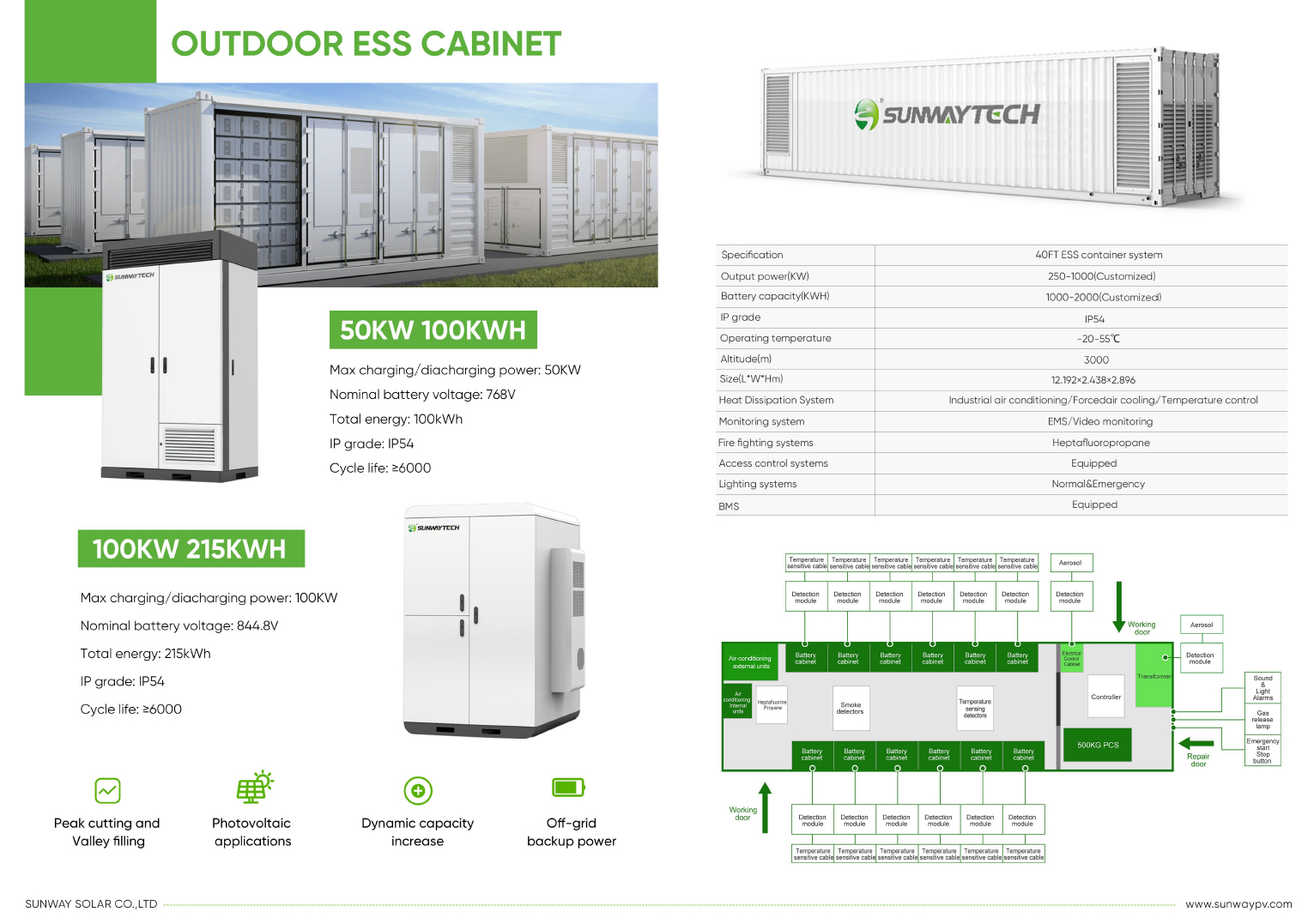
A Battery Energy Storage System (BESS) is an integrated technology platform that captures electrical energy from power sources—such as solar panels, wind turbines, or the electrical grid—and stores it in electrochemical batteries to be discharged when needed. Moving far beyond simple backup batteries, modern BESS installations function as active grid management infrastructure, using intelligent software to stabilize power networks and reduce utility costs.


Core System Architecture

A standard BESS relies on several interdependent subsystems working together:
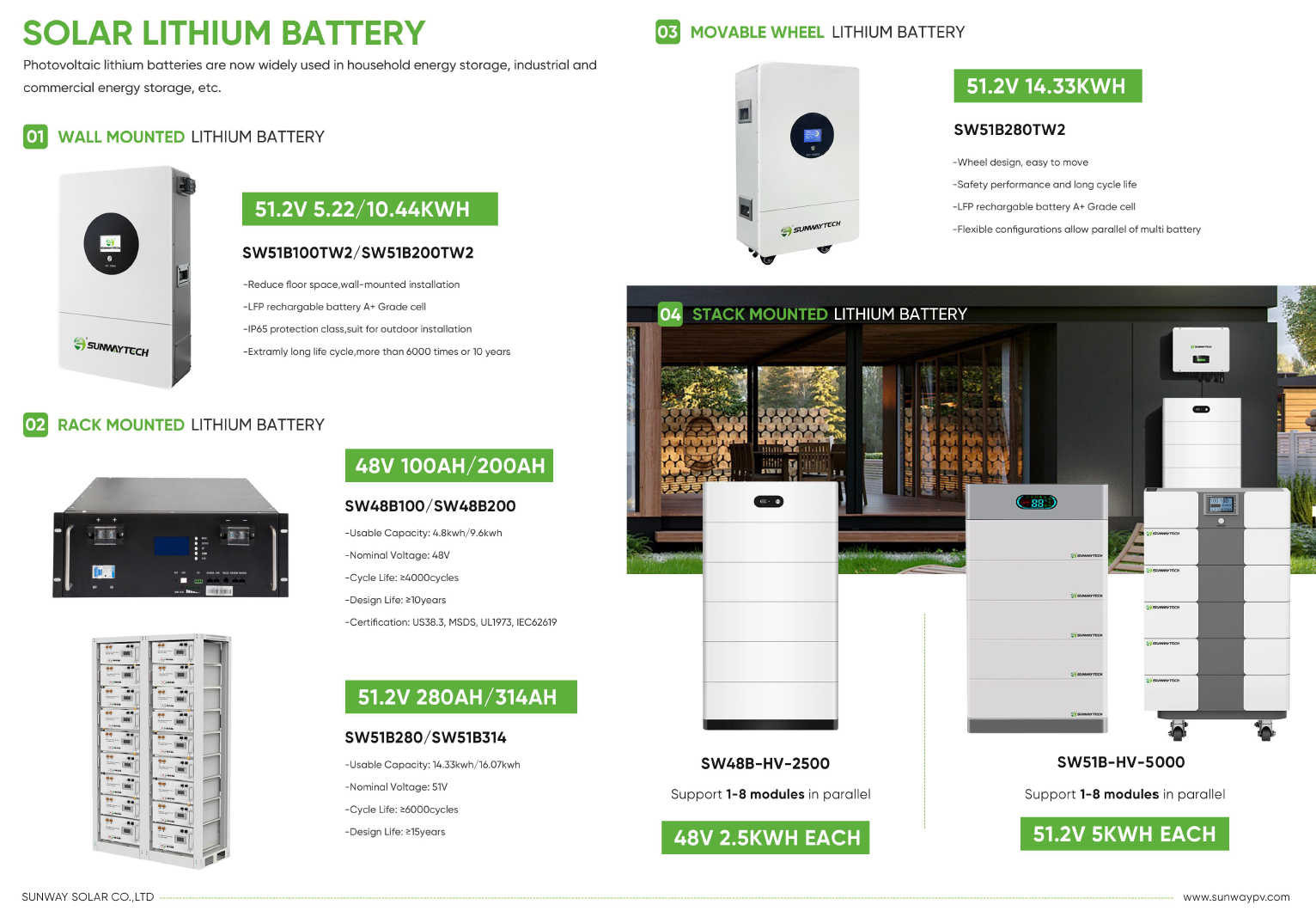
Battery Modules and Racks
The primary electrochemical cells (predominantly Lithium Iron Phosphate, or LFP) grouped into racks to deliver the required voltage and capacity.
Battery Management System (BMS)
The critical monitoring layer that prevents overcharging, over-discharging, and overheating by balancing cell voltages.
Power Conversion System (PCS)
A bi-directional inverter assembly that rectifies grid Alternating Current (AC) to Direct Current (DC) for storage, and inverts DC back to AC during discharge.
Energy Management System (EMS)
The programmatic "brain" that tracks electricity market signals, demand fluctuations, and generation forecasts to optimize charge and discharge schedules.
Thermal and Fire Management Systems
Dedicated liquid-cooling or HVAC frameworks designed to maintain battery cells between 20°C and 40°C, backed by localized aerosol fire suppression.

Contact Us

Ready to make the switch? Drop us a line or use the form to send over your questions, and our Sales Team will get right back to you.

Office Location

Wisma Nour Salam, A-G-2, Decentrum Mall,
Jalan Uniten-Ikram, 43000 Kajang, Selangor.

Email Inquiries

enquiry@sunwaysolar.com.my

WhatsApp

Sales & Support : 011 - 2081 6723

Refund Policy
Effective Date: July 11, 2026
At SunwayTech Malaysia, we are committed to providing high-quality solar energy solutions and excellent customer service. This Refund Policy outlines the terms and conditions regarding cancellations, refunds, and returns.
1. Deposit Payments
A deposit may be required to confirm your order and commence engineering, site assessment, permit applications, or procurement of equipment.

- Deposits are refundable only if cancellation is made before any design work, permit application, or equipment procurement has begun.

- Once work has commenced, the deposit may become partially or fully non-refundable to cover costs already incurred.

2. Order Cancellation
Customers may request to cancel their order by contacting us in writing.

If the order is cancelled:

- Before work begins: Eligible for a full or partial refund, depending on costs incurred.

- After equipment has been ordered or custom-designed: Refunds will be subject to supplier charges, administrative costs, and any non-recoverable expenses.

- After installation has commenced: Refunds will generally not be available for completed work or installed equipment.

3. Installed Systems
Once a solar system has been installed, tested, and accepted by the customer, payments made are non-refundable except where required by applicable law or where the installation fails to meet contractual specifications.
4. Defective Equipment
If any equipment supplied is found to be defective during the applicable warranty period, we will repair or replace the defective component in accordance with the manufacturer's warranty. Refunds will not be issued where repair or replacement is an appropriate remedy.
5. Delays Beyond Our Control
Refunds will not be provided for delays caused by circumstances beyond our reasonable control, including but not limited to weather conditions, utility approvals, government permits, supply chain disruptions, or force majeure events.
6. Refund Processing
Approved refunds will be processed using the original payment method unless otherwise agreed. Refunds are typically processed within 14–30 business days, depending on the payment provider or financial institution.
7. How to Request a Refund
To request a refund, please contact us with:

- Your name and contact information

- Quotation or invoice number

- Installation address

- Reason for the refund request Our team will review your request and respond as soon as reasonably possible.

8. Consumer Rights
Nothing in this Refund Policy limits or excludes any rights you may have under applicable consumer protection laws.